How to Choose the Right ERP Software for Manufacturing
How to Choose the Right ERP Software for Manufacturing
In today’s competitive manufacturing landscape, selecting the right Enterprise Resource Planning (ERP) software is critical for streamlining operations, improving efficiency, and driving growth. With numerous ERP solutions tailored to manufacturing businesses, decision-makers often face challenges identifying the best fit for their unique processes and scale. This comprehensive guide from SaaSSync Pro aims to simplify your ERP selection process by highlighting key features, pros and cons, pricing considerations, and final recommendations.
Introduction
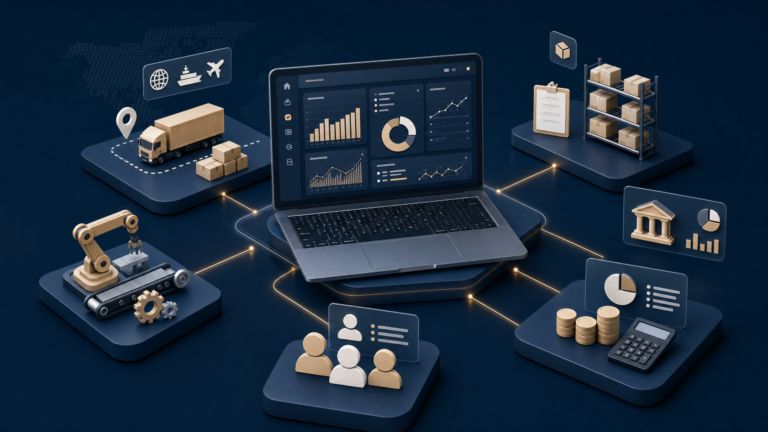
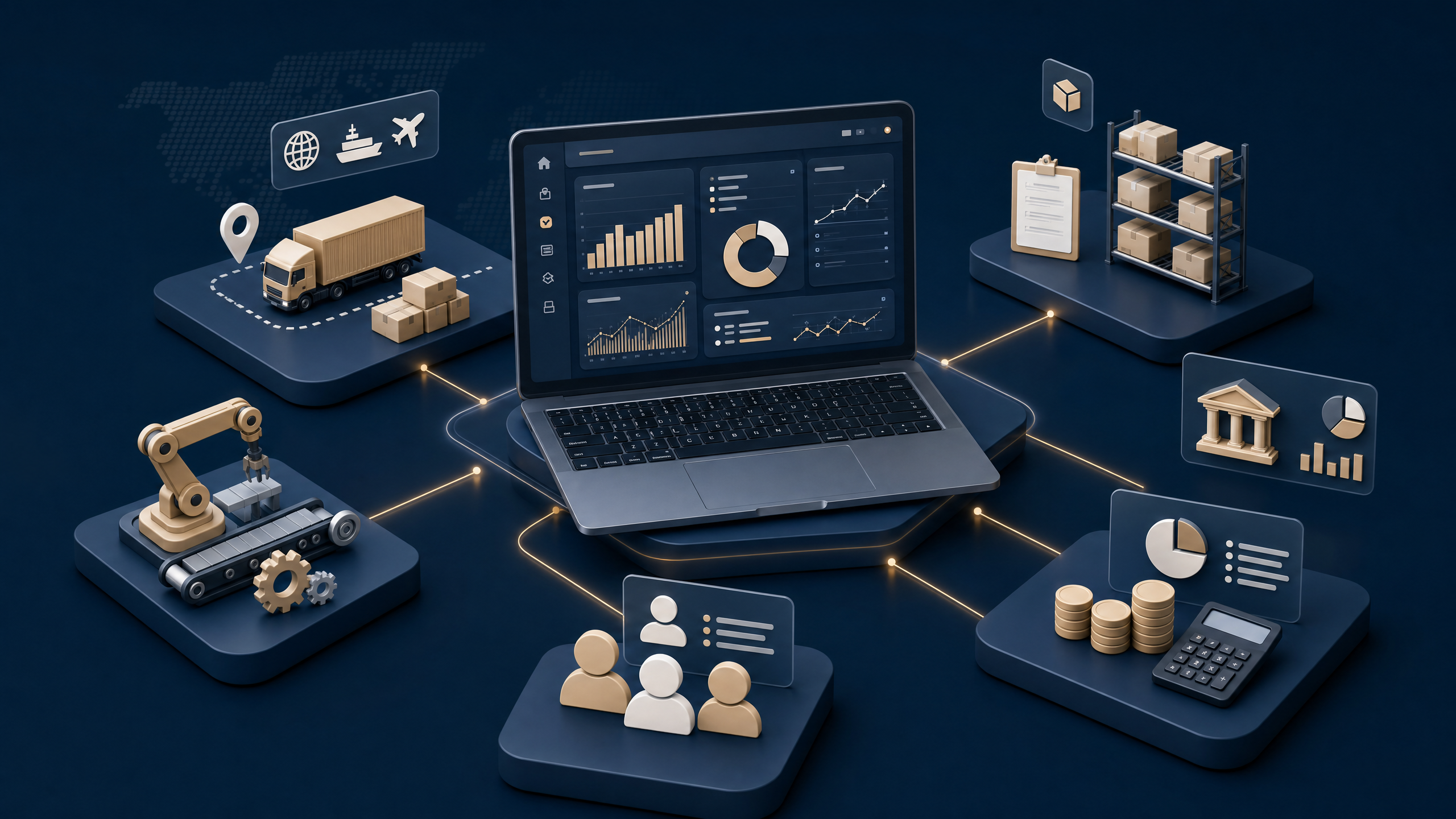
ERP software integrates core business functions such as production planning, inventory management, procurement, finance, and human resources into a unified platform. For manufacturing firms, an effective ERP system can optimize workflows, reduce operational costs, and enhance visibility across the supply chain.
However, manufacturing companies vary widely in size, complexity, and requirements. Choosing an ERP solution that aligns with your specific needs—whether discrete, process, or mixed-mode manufacturing—is essential to maximize ROI.
Key Features to Look for in Manufacturing ERP Software
1. Production Planning and Scheduling
- Real-time scheduling: Ability to allocate resources dynamically based on demand and capacity.
- Bill of Materials (BOM) management: Support multi-level BOMs for complex products.
- Shop floor control: Monitor work-in-progress and machine utilization effectively.
2. Inventory and Warehouse Management
- Accurate stock tracking: Real-time visibility of raw materials, finished goods, and components.
- Automated reorder points: Prevent stockouts and overstock situations.
- Multi-location support: Manage inventory across multiple warehouses or production sites.
3. Quality Control and Compliance
- Inspection and audits: Track quality checks at various production stages.
- Regulatory compliance: Ensure adherence to industry standards such as ISO, FDA, or other relevant certifications.
- Traceability: Maintain detailed records for recall management and accountability.
4. Financial Management
- Cost tracking: Monitor production costs, labor, and overhead.
- Budgeting and forecasting: Plan financials aligned with production schedules.
- Integrated accounting: Seamless flow between manufacturing activities and financial reporting.
5. Reporting and Analytics
- Custom dashboards: Visualize KPIs relevant to manufacturing performance.
- Data-driven insights: Identify bottlenecks and opportunities for process improvement.
- Real-time alerts: Proactively address production or supply chain issues.
6. Scalability and Integration
- Modular architecture: Add features as your business grows.
- Third-party integrations: Connect with CRM, MES, PLM, or other business systems.
- Cloud vs. on-premise: Choose deployment models based on IT strategy and budget.
Pros & Cons of Manufacturing ERP Software
Pros
- Operational efficiency: Automates manual processes, reducing errors and delays.
- Improved collaboration: Centralizes data for cross-department visibility.
- Better decision-making: Provides accurate, real-time information for management.
- Compliance and quality assurance: Helps maintain high standards and meet regulations.
- Customization: Many ERP systems offer tailored workflows for specific manufacturing types.
Cons
- Implementation complexity: ERP deployments can be time-consuming and require change management.
- Cost: Upfront investment and ongoing subscription fees may be significant for smaller firms.
- User adoption: Employees may require training to use new systems effectively.
- Integration challenges: Connecting ERP with legacy systems can be difficult.
- Over-customization risks: Excessive tailoring can complicate updates and support.
Pricing Overview
Pricing models for manufacturing ERP software vary widely depending on deployment, features, and vendor. Common pricing structures include:
- Subscription-based SaaS: Monthly or annual fees per user or module; typically ranges from $50 to $300+ per user per month.
- Perpetual licenses: One-time fee with optional annual maintenance; upfront costs can range from $10,000 to $500,000+ depending on scale.
- Tiered pricing: Different feature sets and user limits offered at various price points.
- Implementation and training: Additional costs for setup, customization, and onboarding services.
Tip: Always request detailed pricing quotes including hidden fees such as integration, support, and upgrades to avoid surprises.
Final Verdict
Choosing the right ERP software for manufacturing is a strategic decision that impacts your operational efficiency and long-term competitiveness. At SaaSSync Pro, we recommend focusing on solutions that offer:
- Comprehensive manufacturing-specific features such as production scheduling, quality control, and inventory management.
- Scalability and flexibility to grow with your business and integrate with existing tools.
- User-friendly interfaces that encourage adoption across teams.
- Transparent pricing models that align with your budget and expected ROI.
Leading ERP vendors like Epicor, NetSuite, Microsoft Dynamics 365, and Infor CloudSuite Industrial have proven track records in manufacturing. However, the best choice depends on your company size, industry segment, and specific workflows.
To ensure a successful ERP selection, conduct a thorough needs assessment, request product demos, and engage stakeholders across departments. Investing time upfront will pay off by empowering your manufacturing operations with the right technology foundation to thrive in an increasingly digital world.