How to Build a Customer Success Program for SaaS
Introduction: The Imperative of Customer Success in SaaS
In the competitive SaaS landscape, customer acquisition is only the beginning. True, sustainable growth hinges on cultivating enduring customer relationships, ensuring satisfaction, and driving engagement. A robust Customer Success Program is critical for this. It not only reduces churn but transforms satisfied customers into fervent advocates, fueling organic growth. This guide outlines the foundational principles and actionable steps to build and scale a thriving customer success program, from defining objectives to measuring its impact.
Understanding Customer Success: Beyond Traditional Support
What is Customer Success?
Customer Success is a proactive, holistic, and long-term strategy focused on empowering customers to achieve their desired outcomes and maximize value from your product. Unlike reactive customer support, customer success anticipates challenges, identifies value opportunities, and guides users to fully leverage your SaaS solution. It’s about forging deep relationships, nurturing loyalty, and ensuring customers thrive with their investment.
Why is Customer Success Crucial for SaaS?
Customer success is paramount for sustainable SaaS growth due to its direct impact on key business metrics:
- Reduced Churn: Proactive engagement and value delivery significantly lower churn rates by addressing concerns and continuously demonstrating value.
- Increased Lifetime Value (LTV): Satisfied customers are more likely to renew, upgrade, and adopt additional services, boosting their overall LTV.
- Enhanced Product Adoption: CSMs guide users through onboarding and feature adoption, ensuring they fully utilize the product’s capabilities.
- Valuable Feedback Loop: CSMs gather insights into customer pain points and product gaps, informing future product development.
- Brand Advocacy: Delighted customers become powerful advocates, providing testimonials, referrals, and positive reviews.
- Competitive Differentiation: Exceptional customer success helps companies stand out in a crowded market, attracting and retaining customers more effectively.
Phase 1: Architecting Your Customer Success Strategy
1. Define Your Ideal Customer Profile (ICP) and Map the Customer Journey
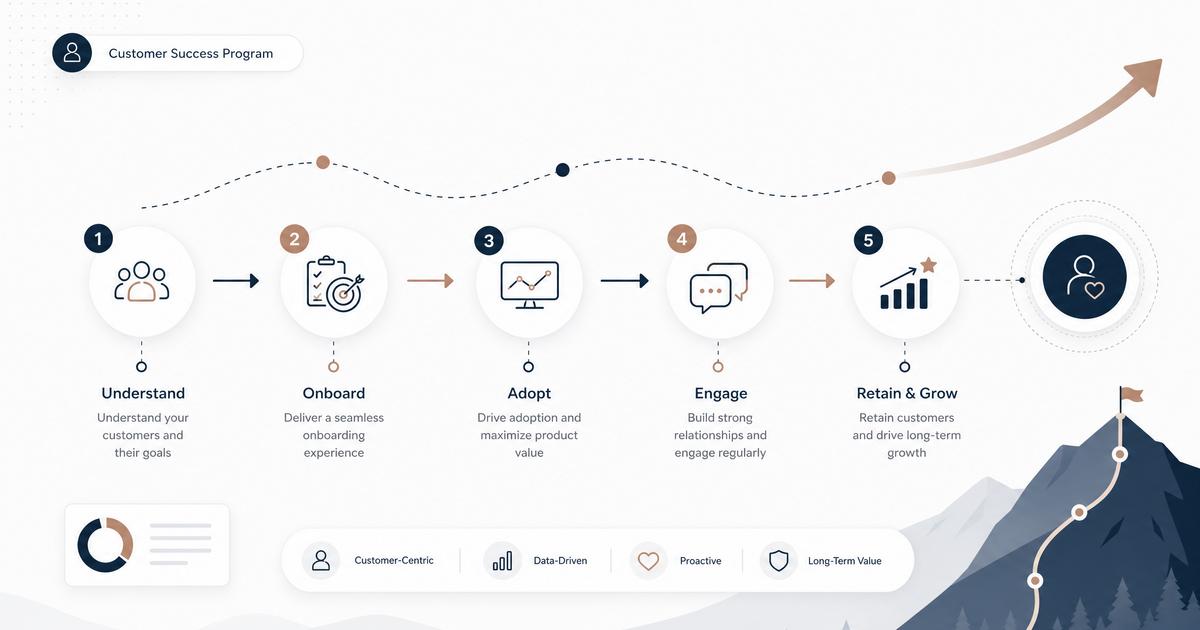
An effective customer success program starts with understanding your target audience. Define your Ideal Customer Profile (ICP) – the customer who gains the most value from your product. Analyze demographics, firmographics, behavioral patterns, and pain points. Then, map their entire journey with your product, from awareness to expansion. This mapping reveals critical touchpoints, potential friction, and opportunities for proactive intervention, allowing you to tailor success efforts to specific customer segments and build proactive engagement strategies.
2. Articulate Customer Outcomes and Establish Success Metrics
Customer success is about the tangible results your customers achieve. Define what “success” looks like for them – whether it’s increased operational efficiency, cost savings, or improved business performance. Ensure these desired outcomes are clear and measurable. Then, establish key performance indicators (KPIs) to serve as the pulse of your customer success program, providing objective evidence of value delivery and program effectiveness:
- Net Revenue Retention (NRR): A critical metric indicating whether your existing customer base is growing, shrinking, or staying stable. It accounts for upgrades, downgrades, churn, and cross-sells.
- Customer Lifetime Value (CLTV): The total revenue a business can reasonably expect from a single customer account over their relationship. A higher CLTV signifies a successful customer relationship.
- Churn Rate: The percentage of customers who stop using your service over a given period. Reducing churn is a primary goal of customer success.
- Product Adoption Rate: Measures how quickly and extensively customers are using your product’s features. High adoption correlates with higher perceived value.
- Customer Satisfaction (CSAT): Typically measured through surveys asking customers to rate their satisfaction with a product or service.
- Net Promoter Score (NPS): A widely used market research metric that asks customers how likely they are to recommend your company/product/service to a friend or colleague.
- Time to First Value (TTFV): How quickly a new customer experiences their first significant success or benefit from your product.
3. Establish Your Customer Success Team Structure and Roles
A well-defined customer success team structure is vital for effective execution. Clearly define roles and responsibilities to avoid overlap and ensure comprehensive coverage:
- Customer Success Managers (CSMs): These are the linchpins of your program, responsible for direct customer engagement, fostering strong relationships, driving value realization, and acting as the customer’s internal advocate. They proactively manage a portfolio of accounts, conduct regular business reviews, and identify opportunities for expansion.
- Onboarding Specialists: Tasked with ensuring a smooth and efficient transition for new customers, guiding them through initial setup, configuration, and accelerating their time-to-first-value. They are experts in the initial product implementation phase.
- Customer Success Operations: This function is crucial for scalability, managing the technology stack (CRM, CS platforms like Gainsight or ChurnZero), data analytics, process optimization, and reporting to empower the entire CS team. They ensure the CS team has the right tools and insights to be effective.
- Customer Success Enablement: Focuses on training, coaching, and providing resources to the CSMs to ensure they are equipped with the knowledge and skills to deliver exceptional customer experiences.
Phase 2: Building the Core Components of Your Program
1. Optimize Onboarding and Implementation Processes
Onboarding is crucial for demonstrating immediate value and setting the stage for long-term success. A structured, efficient, and personalized onboarding process ensures customers quickly understand and adopt your product, reducing early churn. Key elements include:
- Comprehensive Welcome Kit: Provide a curated package of essential resources, including quick-start guides, video tutorials, FAQs, and clear contact information for their dedicated CSM or support channels. This ensures customers have all necessary information at their fingertips.
- Personalized Guided Setup: Offering either intuitive step-by-step in-app instructions or personalized one-on-one walkthroughs to ensure correct initial configuration and understanding of core features. This caters to different learning styles and technical proficiencies.
- Targeted Initial Training: Providing a mix of scalable resources like webinars and personalized one-on-one sessions to thoroughly demonstrate core functionalities and address specific use cases. Training should be outcome-focused, showing customers how to achieve their goals with the product.
- Accelerated First Value Realization: Strategically guiding customers to achieve their first significant, measurable success or “win” with your product as rapidly as possible, reinforcing the initial investment and building momentum. This could be completing a key task, integrating with another system, or generating their first report.
2. Implement Ongoing Engagement and Relationship Management
Customer success is a continuous journey. Regular, meaningful engagement ensures customers remain satisfied, derive value, and feel supported. Strategies include:
- Proactive Regular Check-ins: Scheduling consistent calls, meetings, or strategic business reviews to discuss progress towards goals, address emerging challenges, highlight new features, and plan future strategies. These check-ins should be value-driven, not just status updates.
- Dynamic Customer Health Scores: Implementing a sophisticated system to continuously track and quantify customer health, incorporating metrics such as product usage patterns, support ticket volume and sentiment, engagement with resources, and survey feedback. This allows for early identification of at-risk accounts.
- Targeted Proactive Outreach: Systematically identifying and engaging with customers who exhibit signs of being at-risk (e.g., declining usage, negative sentiment, missed milestones) or those who are not fully leveraging the product’s capabilities. This prevents issues from escalating into churn.
- Vibrant Community Building: Cultivating an active online community or user groups where customers can connect, share best practices, seek peer support, and provide collective feedback. A strong community fosters a sense of belonging and reduces reliance on direct support for common issues.
- Value Realization and Business Reviews: Regularly demonstrating the ROI your product provides to customers through formal business reviews. This reinforces the value proposition and justifies continued investment.
3. Provide Comprehensive Education and Training
Empowering customers with knowledge is key to their long-term success. Provide accessible and diverse resources to help them become product experts and maximize usage:
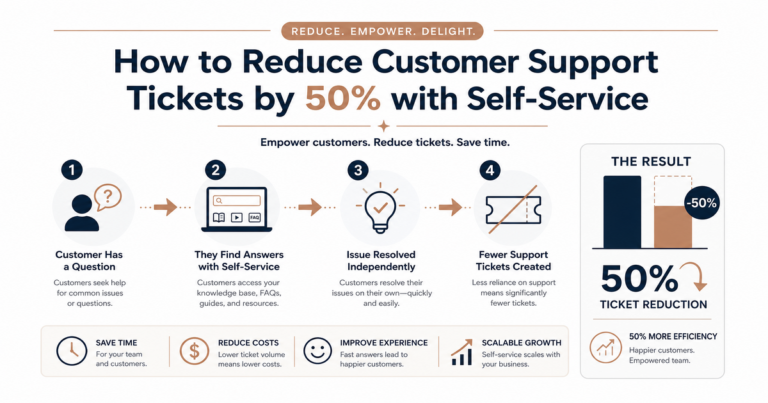
- Comprehensive Knowledge Base: Developing and maintaining an extensive, easily searchable repository of self-service resources, including detailed articles, frequently asked questions (FAQs), troubleshooting guides, and how-to documentation. This should be regularly updated and optimized for search.
- Engaging Webinars and Video Tutorials: Hosting regular live and on-demand webinars, alongside a library of video tutorials, covering new feature releases, advanced usage tips, and broader industry best practices relevant to your product. These visual resources cater to different learning preferences.
- Structured Certification Programs: Introducing formal certification programs that allow customers to validate and demonstrate their proficiency with your product, fostering expertise and loyalty. This can also create a pool of product champions.
- In-App Guidance and Tooltips: Implementing contextual help within the product itself, such as guided tours for new features, tooltips for complex functionalities, and interactive walkthroughs to improve user experience and adoption.
4. Establish Robust Feedback Collection and Product Advocacy
Actively soliciting, analyzing, and acting upon customer feedback is crucial for continuous improvement. Leveraging satisfied customers as advocates is also a powerful growth driver:
- Strategic Survey Deployment: Implementing a regimen of customer satisfaction (CSAT), Net Promoter Score (NPS), and Customer Effort Score (CES) surveys at critical touchpoints throughout the customer journey to gauge sentiment and identify areas for improvement. Analyze trends over time to track progress.
- Active User Groups and Feedback Forums: Establishing dedicated user groups, advisory boards, or online forums where customers can directly contribute feedback, suggest improvements, and participate in product evolution discussions. This makes customers feel heard and valued.
- Compelling Testimonials and Case Studies: Proactively identifying and developing compelling testimonials, success stories, and detailed case studies that highlight how customers have achieved significant value using your solution. These serve as powerful social proof for prospective clients.
- Rewarding Referral Programs: Designing and implementing attractive referral programs that incentivize satisfied customers to actively recommend your product to their networks, leveraging their advocacy for new business acquisition. Word-of-mouth remains one of the most effective marketing channels.
Phase 3: Measuring and Optimizing Your Program
1. Track Key Metrics and KPIs Rigorously
The effectiveness of your customer success program relies on continuous measurement. Implement robust analytics and reporting tools to meticulously track all KPIs defined in Phase 1, including quantitative metrics like NRR and churn, and qualitative data from surveys. Use dashboards for real-time visibility into performance and to identify trends, ensuring accountability and timely adjustments.
2. Conduct In-depth Data Analysis and Identify Trends
Beyond tracking, dedicate resources to in-depth data analysis. Look for correlations between customer behavior, product usage, support interactions, and success outcomes. Identify patterns indicating potential churn risks, upselling opportunities, or areas for product improvement. Understanding these trends is crucial for data-driven decisions and effective resource allocation, potentially using predictive analytics to anticipate future customer behavior.
3. Continuously Iterate and Refine Your Strategy
Customer success is an agile and evolving discipline. Regularly review your strategies, processes, and tools. Adapt and iterate based on data analysis, customer feedback, market shifts, and product evolution. A flexible, responsive approach ensures your program remains relevant and effective, consistently delivering value to customers and your business.
Conclusion: The Path to Sustainable SaaS Growth
Building an effective Customer Success Program is a strategic, ongoing investment vital for sustainable SaaS growth. By proactively engaging with customers, understanding their needs, and guiding them to achieve desired outcomes, you reduce churn, unlock revenue expansion, and cultivate a loyal customer base that champions your brand. Embrace customer success as a core philosophy to ensure your SaaS business thrives.
Ready to Elevate Your Customer Relationships?
Transform your customer relationships and drive unparalleled growth for your SaaS company by implementing these strategies today. For more insights, tools, and expert guidance on optimizing customer support and success, visit SaaSSync Pro. Empower your customers, empower your business.