How AI Predicts Supply Chain Disruptions in ERPs
How AI Predicts Supply Chain Disruptions in ERPs
In today’s fast-paced global market, supply chain management has become increasingly complex. Enterprise Resource Planning (ERP) systems play a crucial role in integrating various business processes, but traditional ERPs often lack advanced predictive capabilities to foresee supply chain disruptions. Enter Artificial Intelligence (AI) — a transformative technology reshaping how businesses anticipate and mitigate risks in their supply chains.
This article explores how AI-powered tools integrated within ERPs predict supply chain disruptions, enhancing decision-making and operational resilience. We also review leading AI-enabled ERP solutions to help businesses make informed choices.
Introduction to AI in Supply Chain Management
Supply chains are vulnerable to numerous disruptions such as supplier delays, demand fluctuations, geopolitical events, and natural disasters. These disruptions can cause cascading effects, impacting inventory management, production schedules, and customer satisfaction.
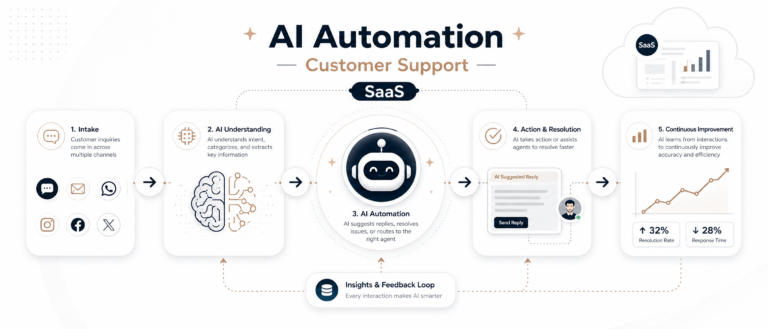
AI technologies, including machine learning, natural language processing, and advanced analytics, empower ERPs to analyze vast amounts of structured and unstructured data in real-time. By detecting patterns and anomalies, AI predicts potential supply chain interruptions before they occur.
Key Features of AI-Enabled Supply Chain Prediction in ERPs
1. Real-Time Data Integration
- Multi-source Data Aggregation: AI can ingest data from internal systems (inventory levels, procurement, sales) and external sources (weather forecasts, news feeds, social media, supplier metrics).
- Continuous Monitoring: Real-time tracking of supply chain events allows immediate detection of emerging risks.
2. Predictive Analytics and Machine Learning
- Demand Forecasting: AI models analyze historical sales and market trends to predict future demand fluctuations.
- Risk Assessment: Machine learning algorithms assess supplier reliability and probability of delays or failures.
- Scenario Simulation: AI simulates “what-if” scenarios to evaluate potential impacts of disruptions.
3. Automated Alerts and Recommendations
- Early Warning Systems: Automated alerts notify supply chain managers of predicted disruptions.
- Actionable Insights: AI suggests mitigation strategies such as alternative suppliers, inventory adjustments, or route optimization.
4. Enhanced Collaboration Tools
- Integrated Communication: AI-powered ERPs facilitate collaboration among suppliers, logistics partners, and internal teams.
- Data Transparency: Shared insights promote proactive decision-making across the supply chain network.
Top AI-Powered ERP Solutions for Supply Chain Disruption Prediction
Several ERP providers have incorporated AI modules focused on supply chain risk management. Below, we compare three prominent SaaS platforms featured on SaaSSync Pro:
1. Oracle Fusion Cloud ERP
- AI Capabilities: Uses machine learning to analyze supplier risk profiles and demand variability.
- Supply Chain Modules: Integrated procurement, inventory, and logistics with predictive analytics.
- Strengths: Robust data security and scalability for enterprises.
- Limitations: Higher complexity and longer implementation time.
2. SAP S/4HANA Cloud
- AI Features: Real-time anomaly detection and predictive demand planning.
- Supply Chain Focus: Intelligent inventory management and supplier collaboration tools.
- Strengths: Strong integration with existing SAP ecosystems.
- Limitations: Premium pricing and requires specialized expertise.
3. Microsoft Dynamics 365 Supply Chain Management
- AI Integration: Embedded AI workflows for risk detection and demand forecasting.
- Supply Chain Features: Automated alerts and optimization recommendations.
- Strengths: User-friendly interface and seamless Microsoft 365 integration.
- Limitations: Limited advanced analytics compared to specialized AI platforms.
Pros & Cons of AI-Driven Supply Chain Prediction in ERPs
Pros
- Improved Risk Mitigation: Early identification of potential disruptions reduces operational downtime.
- Enhanced Decision-Making: Data-driven insights enable strategic planning and resource allocation.
- Cost Savings: Optimized inventory and supplier management lower holding and emergency procurement costs.
- Increased Agility: Businesses can quickly adjust to market changes and external shocks.
Cons
- Implementation Complexity: Integrating AI modules requires significant investment and technical expertise.
- Data Quality Dependency: AI accuracy depends heavily on the quality and completeness of input data.
- Privacy and Security Concerns: Handling sensitive supply chain data demands robust cybersecurity measures.
- Change Management: Organizations may face resistance adapting to AI-driven workflows.
Pricing Overview of AI-Enabled ERP Solutions
Pricing for AI-powered ERP platforms varies widely depending on deployment size, modules selected, and vendor pricing models. Below is a general guideline based on publicly available information and SaaSSync Pro market analysis:
- Oracle Fusion Cloud ERP: Starts at approximately $150/user/month with additional costs for AI modules and integrations.
- SAP S/4HANA Cloud: Pricing begins around $180/user/month; advanced AI features often require premium tiers.
- Microsoft Dynamics 365 Supply Chain Management: Starting at $95/user/month with AI capabilities included in higher-tier plans.
Most vendors offer customized quotes and volume discounts. It is advisable to request demos and trial periods to assess ROI before committing.
Final Verdict
Artificial Intelligence is revolutionizing supply chain management by enabling ERP systems to predict disruptions proactively. Integrating AI-driven predictive analytics within ERPs empowers businesses to optimize operations, reduce risks, and maintain competitive advantage in an increasingly uncertain environment.
While leading platforms like Oracle Fusion Cloud ERP, SAP S/4HANA Cloud, and Microsoft Dynamics 365 Supply Chain Management provide powerful AI capabilities, the choice depends on organizational needs, existing infrastructure, and budget considerations.
Key recommendations for B2B enterprises considering AI-enabled ERPs:
Frequently Asked Questions
How do AI features in ERP systems differ in predicting supply chain disruptions?
AI features vary in data integration, predictive analytics accuracy, and real-time alert capabilities, with some ERPs offering more advanced machine learning models and broader data source connectivity.
What are the typical pricing models for AI-powered supply chain prediction in ERPs?
Pricing usually depends on subscription tiers, number of users, and AI module add-ons, with some vendors charging per data volume or advanced analytics features.
Which industries benefit most from AI-driven supply chain disruption predictions in ERPs?
Manufacturing, retail, and logistics industries gain significant advantages by using AI in ERPs to anticipate delays, optimize inventory, and reduce operational risks.
- Ensure your data is clean, comprehensive, and accessible to maximize AI effectiveness.
- Prioritize platforms offering seamless integration with your current systems.
- Invest in training and change management to foster user adoption.
- Evaluate total cost of ownership including implementation, licensing, and support.
With the right AI-powered ERP solution, companies can transform supply chain disruption prediction from a reactive challenge into a strategic advantage.