How to Reduce Churn and Boost Retention with Automated Customer Onboarding
Introduction
Customer churn, the rate at which customers stop using a product or service, represents a significant challenge for SaaS businesses. It directly impacts revenue, growth, and long-term sustainability. While acquiring new customers is crucial, retaining existing ones is often more cost-effective and indicative of a healthy business model. In the competitive SaaS landscape, where users have numerous alternatives, a seamless and effective customer journey from the outset is paramount. This is where automated customer onboarding emerges as a powerful solution, designed to guide new users efficiently, accelerate their time to value, and ultimately foster lasting loyalty, thereby significantly reducing churn.
What is Automated Customer Onboarding?
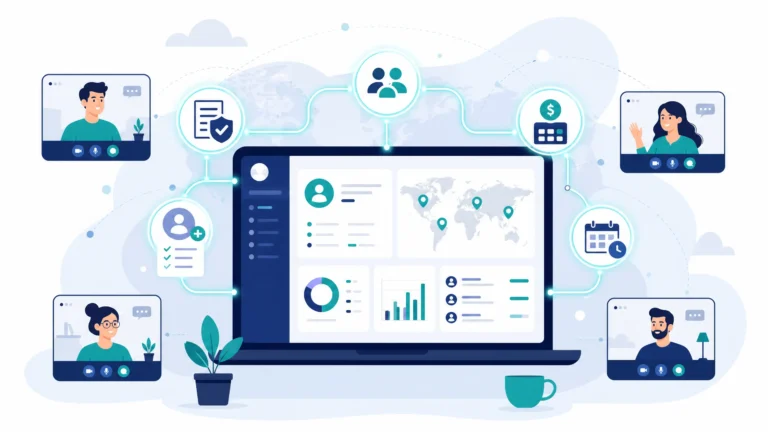
Automated customer onboarding leverages software and artificial intelligence (AI) to streamline and personalize the initial experience for new users. Unlike traditional manual onboarding processes, which often rely on static welcome sequences and human intervention for every step, automated systems dynamically respond to user behavior, preferences, and progress. This responsiveness ensures that each customer receives a tailored journey, guiding them from initial sign-up to becoming a proficient and engaged user of the product [1].
Key components of automated onboarding include:
* Initial Data Capture: Digital forms and integrated systems collect essential customer information efficiently, replacing cumbersome manual data entry and ensuring accuracy from the start [4].
* Personalized Workflows: Based on collected data, user roles, or specific goals, the system adapts the onboarding path, presenting relevant information and tasks to each individual [4].
* Automated Communication: Timely and targeted messages (emails, in-app notifications, push alerts) are triggered by user actions or inactions, providing guidance, encouragement, and support exactly when needed [4].
* Document Management: For B2B SaaS, automated systems handle contracts, service agreements, and compliance forms, often integrating e-signature capabilities to expedite the process [4].
* Task and Project Setup: Automated creation of project structures, assignment of account managers, and configuration of service environments ensure a smooth transition into active product use [4].
Key Benefits of Automated Customer Onboarding
The implementation of automated customer onboarding yields a multitude of benefits that directly contribute to churn reduction and overall business success:
Faster Time to Value (TTV)
Automated workflows eliminate delays and confusion, enabling customers to quickly reach their
first meaningful success moment with the product. This rapid realization of value is a critical factor in retaining new users [2].
Consistency at Scale
Automated systems ensure that every new customer receives a consistently high-quality onboarding experience, regardless of volume or individual team availability. This uniformity builds trust and reinforces a professional brand image [1].
Smarter Use of Team’s Time
By automating repetitive tasks such as sending reminders, tracking progress, and scheduling communications, human teams are freed from administrative burdens. This allows them to focus on more complex issues, personalized support, and strategic initiatives that require human expertise [1].
Reduced Churn from Day One
Clear, timely, and proactive guidance during the initial stages significantly reduces friction and frustration. When users feel supported and understand how to navigate the product, they are far less likely to disengage during the critical early window where most churn occurs [1].
Measurable Visibility
Automated journeys inherently generate data, providing clear insights into user behavior, drop-off points, and the effectiveness of various touchpoints. This data-driven visibility allows for continuous optimization and improvement of the onboarding process [1].
Personalized Journeys
Automated onboarding does not equate to a generic experience. Solutions can branch workflows based on user roles, behaviors, or specific goals, ensuring that each customer receives information and guidance most relevant to their unique situation [1].
Enhanced Compliance
For industries with stringent regulatory requirements, automation enforces compliance by structuring the onboarding workflow to ensure all necessary steps and documentation are completed before a client can proceed. This reduces legal risks and provides dependable audit trails [4].
Increased Data Visibility
Centralizing the onboarding process through automation generates actionable insights at every step. Real-time dashboards can monitor progress, flag overdue tasks, and identify bottlenecks. Over time, this data can be leveraged for process mining to further optimize the onboarding lifecycle and boost early customer retention [4].
Key Features of Automated Onboarding Solutions
Modern automated customer onboarding solutions come equipped with a suite of features designed to optimize the new user journey:
- Workflow Automation: These are the engines that drive the onboarding process, enabling the creation of triggered actions, multi-channel communication orchestration, and dynamic pathways based on user interactions [2].
- Personalization Engines: Leveraging AI and machine learning, these features segment users and adapt content, guidance, and communication styles to individual needs, ensuring a highly relevant experience [4].
- Interactive Guides & Checklists: In-app tours, tooltips, and progress trackers help users learn by doing, guiding them through key features and milestones within the application itself [3].
- Communication Tools: Integrated platforms for automated emails, in-app messages, push notifications, and even SMS/RCS ensure timely and consistent communication across preferred channels [1].
- Analytics & Reporting: Comprehensive dashboards provide real-time insights into critical KPIs such as Time to Value (TTV), activation rates, completion rates, and churn rates, allowing for continuous process refinement [3].
- Integration Capabilities: Seamless integration with existing CRM, support, payment, and other business systems ensures a unified customer view and smooth data flow across the organization [4].
- Document Management: Features for digital forms, secure document storage, and e-signature capabilities streamline the collection and management of necessary paperwork, particularly in B2B contexts [4].
Pricing Considerations for Automated Onboarding Solutions
The cost of automated onboarding solutions can vary widely, influenced by several factors. Understanding these can help businesses make informed decisions:
- Features and Functionality: More advanced features, such as AI-driven personalization, complex workflow orchestration, and deep analytics, typically come at a higher price point.
- User Volume: Many solutions are priced based on the number of active users or customers being onboarded, scaling with the size of the business.
- Integrations: The ability to seamlessly integrate with a wide array of third-party tools (CRMs, marketing automation platforms, support desks) can impact pricing, with more extensive integration options often costing more.
- Support Levels: Premium support, dedicated account management, and professional services for setup and optimization can add to the overall investment.
While there is an initial investment, the Return on Investment (ROI) is often substantial. Reduced churn, increased customer lifetime value (LTV), and significant operational efficiencies from freeing up team resources typically outweigh the costs, making automated onboarding a strategic investment rather than a mere expense.
Pros and Cons of Automated Customer Onboarding
Like any technology solution, automated customer onboarding presents both advantages and potential drawbacks:
Pros:
- Scalability and Efficiency: Handles a large volume of new customers without a proportional increase in manual effort, leading to significant operational efficiencies.
- Improved Customer Experience and Satisfaction: Provides a consistent, personalized, and guided journey, reducing frustration and enhancing initial satisfaction.
- Reduced Human Error: Automating repetitive tasks minimizes mistakes that can occur with manual processes, ensuring accuracy and compliance.
- Data-Driven Optimization: Generates valuable data that allows businesses to identify bottlenecks, understand user behavior, and continuously refine the onboarding process for better outcomes.
- Cost Savings in the Long Run: By reducing churn and optimizing team resources, businesses can achieve substantial cost savings and increased revenue over time.
Cons:
- Initial Setup Complexity and Cost: Implementing a robust automated onboarding system can require significant upfront investment in terms of time, resources, and software licenses.
- Potential for Impersonal Experience: If not carefully designed, an over-reliance on automation without strategic human touchpoints can lead to a perceived impersonal or robotic experience.
- Requires Ongoing Maintenance and Optimization: Automated systems are not
set-it-and-forget-it solutions; they require continuous monitoring, analysis, and adjustments to remain effective. - Integration Challenges: Integrating new automated onboarding solutions with existing CRM, marketing automation, and other internal systems can sometimes be complex and require technical expertise.
Strategies for Successful Automated Onboarding
To maximize the effectiveness of automated customer onboarding and truly impact churn reduction, consider these strategic approaches:
- Define Clear Activation Milestones: Before building any automated journey, identify the specific actions or achievements that signify a user has successfully engaged with the product and is likely to retain. Build the onboarding path around guiding users to these
milestones [1]. - Map the Customer Journey Thoroughly: Understand every touchpoint a new customer has, from sign-up to becoming a power user. This comprehensive mapping helps identify opportunities for automation and potential friction points [3].
- Segment Users for Tailored Experiences: Recognize that different user personas or business types will have varying needs. Design distinct automated onboarding flows for each segment to ensure relevance and personalization [3].
- Balance Automation with Human Touchpoints: While automation is efficient, strategic human interaction remains vital. Identify critical junctures where a personal call, live chat, or dedicated support can significantly enhance the customer experience and build stronger relationships [1].
- Continuously Monitor and Optimize Based on Data: Leverage the data generated by your automated system to identify areas for improvement. A/B test different messages, workflows, and timings to continuously enhance the onboarding process and its impact on churn [1].
- Provide Comprehensive Resources: Supplement automated guidance with easily accessible knowledge bases, FAQs, video tutorials, and community forums. Empower users to find answers independently, reducing reliance on support and fostering self-sufficiency.
Conclusion
Customer churn is an inherent challenge in the SaaS industry, but it is not an insurmountable one. Automated customer onboarding stands out as a strategic imperative for businesses aiming to not only reduce churn but also to cultivate a loyal and engaged customer base. By leveraging technology to deliver personalized, efficient, and data-driven initial experiences, companies can significantly accelerate a customer’s time to value, ensure consistency at scale, and free up valuable team resources.
The journey from a new sign-up to a retained, satisfied customer is critical. Implementing a well-designed automated onboarding process transforms this journey from a potential point of attrition into a powerful engine for growth and long-term success. It’s an investment that pays dividends in customer loyalty, operational efficiency, and ultimately, a healthier bottom line. Embrace automated customer onboarding not just as a tool, but as a core strategy to build stronger customer relationships and drive sustainable business growth.
References
- [1] Braze. “Customer onboarding automation: Accelerate adoption and reduce churn.” Braze Blog, 27 Apr. 2026, https://www.braze.com/resources/articles/customer-onboarding-automation.
- [2] Moxo. “How to reduce churn with a better customer onboarding experience.” Moxo Blog, 14 Feb. 2025, https://www.moxo.com/blog/reduce-churn-with-better-customer-onboarding.
- [3] LearnyBox. “Customer Onboarding : The Complete Guide to Reduce Churn.” LearnyBox Blog, 20 Apr. 2026, https://learnybox.com/en/blog/digital-customer-onboarding-complete-guide/.
- [4] IBM. “Customer onboarding automation: Streamlining the onboarding journey.” IBM Think, 5 May 2026, https://www.ibm.com/think/topics/customer-onboarding-automation.